Investigative documentary – an investigation into an area of concern, either current or historical, often placing great emphasis on the careful presentation of evidence and argument:

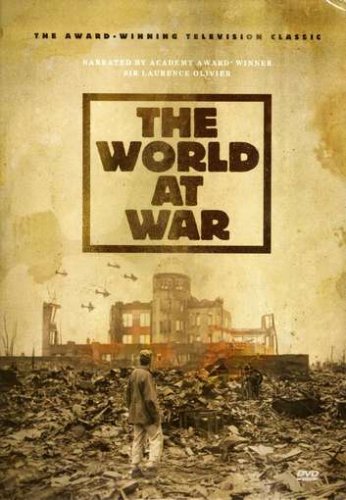
Historical documentary – uses mainly archive films and stills, together with witness accounts either to camera or from letters etc:
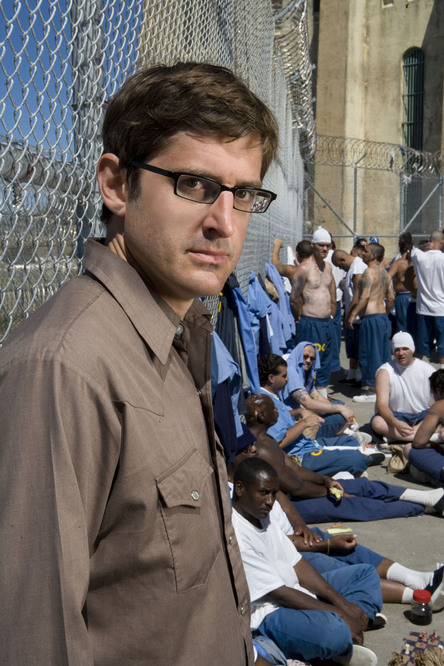
Personality documentary – the presenter takes the viewer through the topic and links sections of the film together while being present on screen for a lot of the time:
Objective documentary – in which the only commentary comes from the people about whom it is made:
Fly on the wall documentary – in which the camera becomes invisible whilst following people in the course of their daily lives:

Drama documentary – where events are recreated using actors but actual facts and real events from the story. The “story” may be enhanced using fictional and/or reconstructed inserts. These are often about “controversial” and political issues and events:
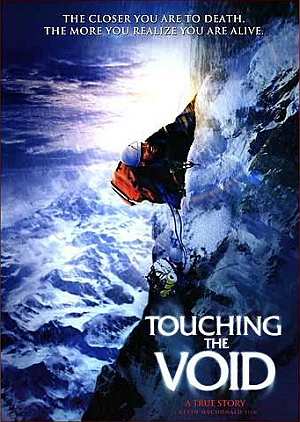
Alternative documentary – an alternative approach to documentary which aims to counter the dominant representations and stereotypes of conventional documentary form. They often take up issues of minority politics, e.g. racism and sexism, and are different in their style and presentation.
Video diaries – only one highly portable camera is used in this very personal and individual form. The camera is used as a “confidante”.
Docu-soap – usually part of a series of programmes which feature an inside look at an institution through a set of “characters” who appear each week.
Mockumentary – the documentary is completely fictional but has the same form as a documentary


No comments:
Post a Comment